

 Contact
 ことのは
ことのは Hello everyone! It’s been a while since my last post… I wonder what I’ve been up to? (lol)
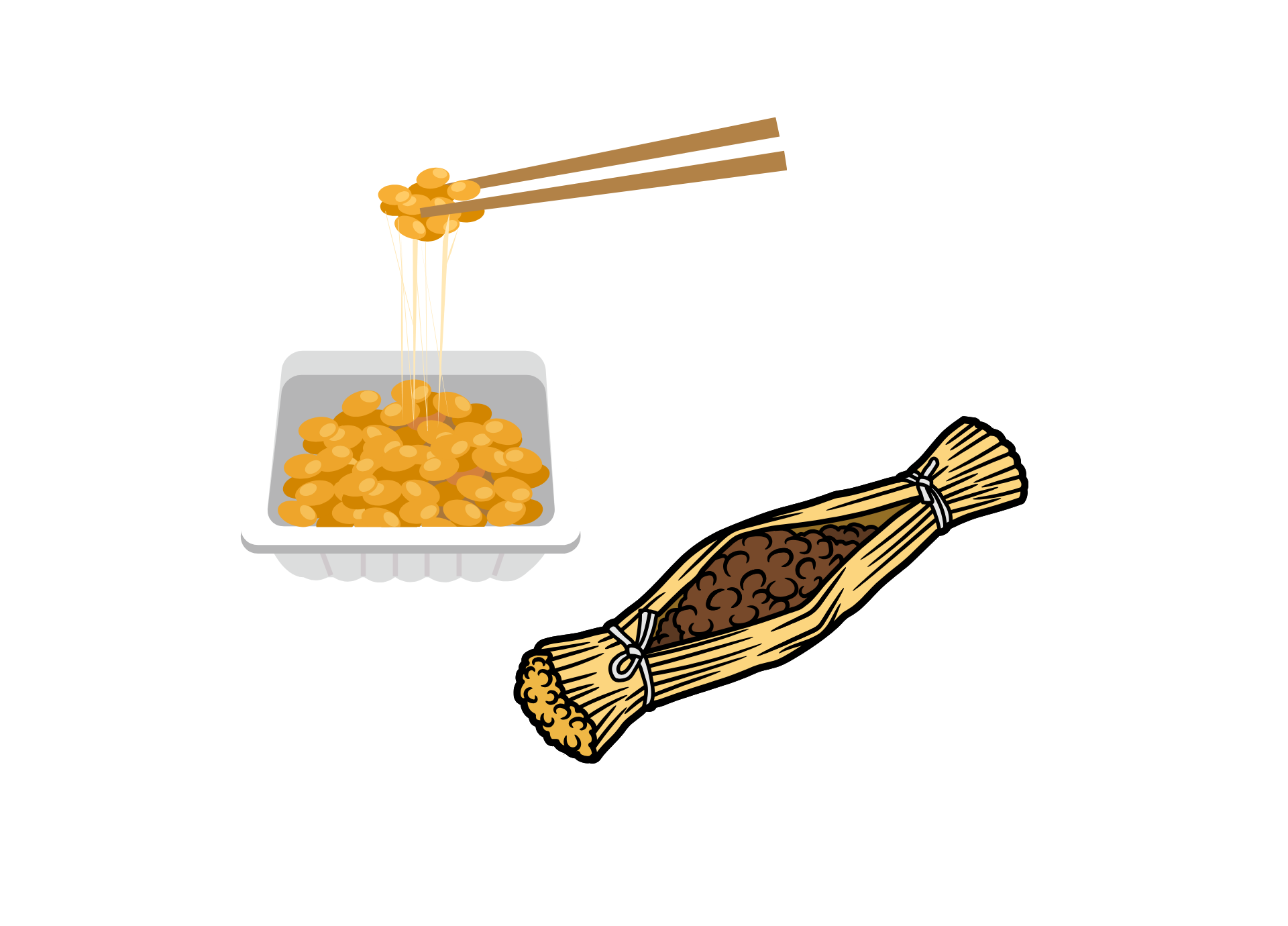
By the way, out of the blue, have you ever eaten Natto (fermented soybeans)?
Actually, whenever I bring up “Natto” as a theme in my lessons, it always gets surprisingly lively. Usually, my students’ faces contort, and a barrage of negative words like “I hate it!” or “No way!” breaks out. But believe it or not, this is actually a perfect topic for practicing negative forms.
Just the other day, I brought up Natto during a lesson about “talking about past experiences,” and once again, it was a huge hit.
Grammar for Sharing “Experiences”
When talking about your experiences in Japanese, we use the expression “~ta koto ga arimasu” instead of just “~mashita.”
It is expressed as: Verb (Ta-form) + koto ga arimasu.
Watch out! 4 Key Points
There are a few important rules to keep in mind when using this expression.
- Use it for “rare” or “special” events It is used for things that don’t happen often in a lifetime, or special experiences you want to share with others.
- Don’t use it for routine daily actions For example, you don’t say, “I have had the experience of eating dinner last night.” For daily routines, simply use “~mashita.”
- Don’t use it for the recent past You wouldn’t say, “I have had the experience of eating Natto a moment ago.” This phrase specifically refers to “experiences throughout your life so far.”
- Don’t use it with specific “time” words You cannot say, “Kyounen, Nihon e itta koto ga arimasu” (I have been to Japan last year). When specifying a time, you should say “Kyounen, Nihon e ikimashita” (I went to Japan last year). This is because “~ta koto ga arimasu” has the nuance of “having done something at some point in your life,” without a specific timeframe.
Please tell me about your experiences!
Have you ever eaten Natto? If you have, how was it?
Please share your “experiences” and “how you felt at that time” in Japanese!
「~たことがあります」の形をマスターして、あなたの特別な思い出をシェアしましょう!
みなさん、こんにちは。 またまた投稿の間(あいだ)が空いてしまいました……。私は何をしていたのでしょうか(笑)。
ところで、突然ですが、みなさんは納豆(なっとう)を食べたことがありますか?
実は、レッスンで「納豆」をテーマに取り上げると、なぜかいつもすごく盛り上がります。たいていは、学習者さんの表情がゆがみ、「嫌い!」「無理!」といったネガティブ・ワードが炸裂(さくれつ)するのですが、実はこれ、否定形の練習にはもってこいのトピックなんです。
先日は、「経験したこと」について話すレッスンで納豆を取り上げたところ、また、大盛り上がりでした。
「経験」を伝える時の文法
自分の経験を話すとき、日本語では「~ました」ではなく、「~たことがあります」という表現を使います。
動詞の「た形」 + ことがありますで表現します。
気をつけたい!4つの注意点
この表現を使うときには、いくつか大切なルールがあります。
- 「珍しいこと」や「特別なこと」に使う 一生のうちに何度も起きないようなことや、人に伝えたい特別な経験に使います。
- 日常的なことには使わない 例えば、「昨日の夜、ご飯を食べたことがあります」とは言いません。日常の動作は「~ました」を使いましょう。
- 近い過去(最近のこと)には使わない 「さっき納豆を食べたことがあります」とは言いません。あくまで「これまでの人生の中での経験」を指します。
- 具体的な「時」を表す言葉と一緒に使わない 「去年、日本へ行ったことがあります」とは言えません。 特定の時期を言うときは「去年、日本へ行きました」と言います。「~たことがあります」は、いつか分からないけれど「人生のどこかで経験した」というニュアンスだからです。
あなたの経験を教えてください!
みなさんは、納豆を食べたことがありますか? 食べてみて、どうでしたか?
ぜひ、みなさんの「経験したこと」と「その時の感想」を日本語で教えてくださいね!