

 Contact
 ことのは
ことのは 「辞書形+こと」で趣味を具体的に!Use the 「dictionary form + koto」 to describe your hobbies in detail!
こんにちは。今日は、朝起きたら雪景色。びっくりです。
さて、昨日の続きです。
自分の「趣味」について話すとき。 最初は、こんなシンプルな表現から練習しますよね。
- 「趣味は映画です。」
- 「趣味は読書です。」
これだけでも十分通じますが、「辞書形」を使うと、もっと具体的に伝えることができるんです。
【ステップアップのコツです!】
「見ます」や「読みます」を辞書形に変えて、後ろに「こと」をつけてみましょう。そうすると、動作を名詞(もの・こと)にできます。
趣味は + 動詞の辞書形+ こと です
この形に当てはめると……
- 「私の趣味は、映画を見ることです。」
- 「私の趣味は、本を読むことです。」
ぐっと自然で具体的な表現になりましたよね!
When talking about your hobby.
At first, we usually practice with simple expressions like these:
・My hobby is movies.
・My hobby is reading.
These are perfectly understandable, but by using the dictionary form, you can express things more specifically.
【Here’s a useful step for leveling up!】
Try changing “watch” or “read” into the dictionary form, and add koto afterward. By doing this, the action can be turned into a noun (a “thing” or “activity”).
My hobby is + verb in dictionary form + koto
Using this pattern:
・My hobby is watching movies.
・My hobby is reading books.
It suddenly becomes a much more natural and specific expression, doesn’t it?
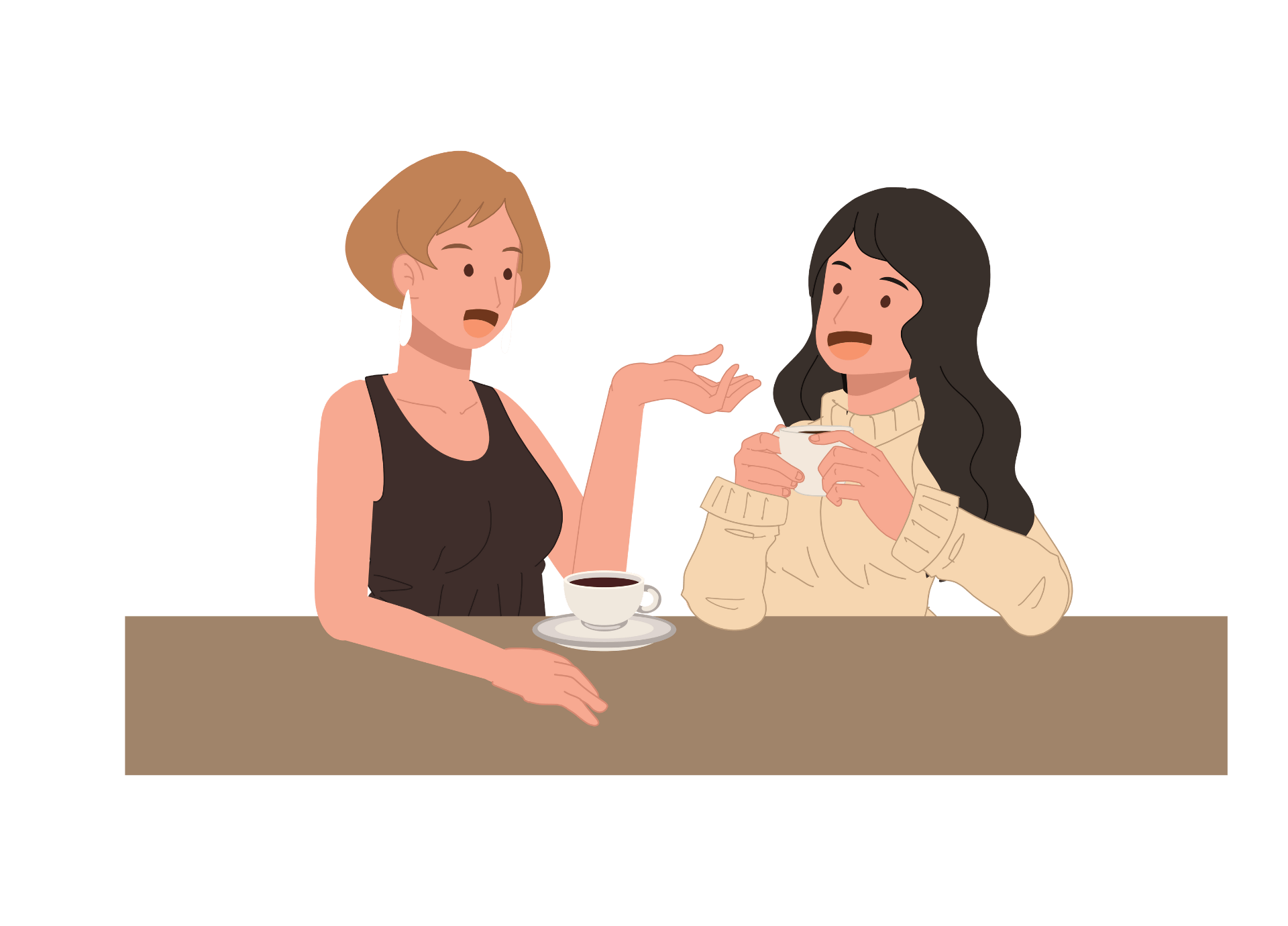
会話がもっと楽しくなるMake conversations more enjoyable
「映画を見ることです」と言えるようになると、そこから会話のキャッチボールが始まります。
「最近はどんな映画を見たの?」 「その映画、どうだった?」
…というように、会話がどんどん弾んでいくはずです。
あなたの趣味は何ですか?
苦手意識を持ちやすい「辞書形」の練習も、自分の好きなこと(自分のこと)から話し始めると、意外とすんなり身についていくものです。
ぜひ、「辞書形 + こと」を使って、あなたの趣味を具体的に教えてくださいね!
では、素敵な1日を!
Once you can say, “My hobby is watching movies,” that’s when the conversational exchange begins.
“What kind of movies have you watched recently?”
“How was that movie?”
And just like that, the conversation starts to flow.
What is your hobby?
Even something like the dictionary form, which can feel intimidating at first, becomes surprisingly easy to learn when you start by talking about something you like—something about yourself.
So please try using “dictionary form + koto” and tell me about your hobbies in detail!
Have a wonderful day