

 Contact
 ことのは
ことのは あたらしいcounting
こんにちは。今日は汗ばむ陽気でした。
授業終わり、数え方のページに釘付けの学習者さん。
そうですよね。なんでこんない違うの?です。
日本語は、本や紙などなど、それぞれ、数え方が違うので、多くの学習者さんが、頭をかかえてしまいます。
ひとつ、ふたつ、いっこ、にこ、ひとり、ふたりから始まり、次は、日常生活では何をよく使っているのでしょう。
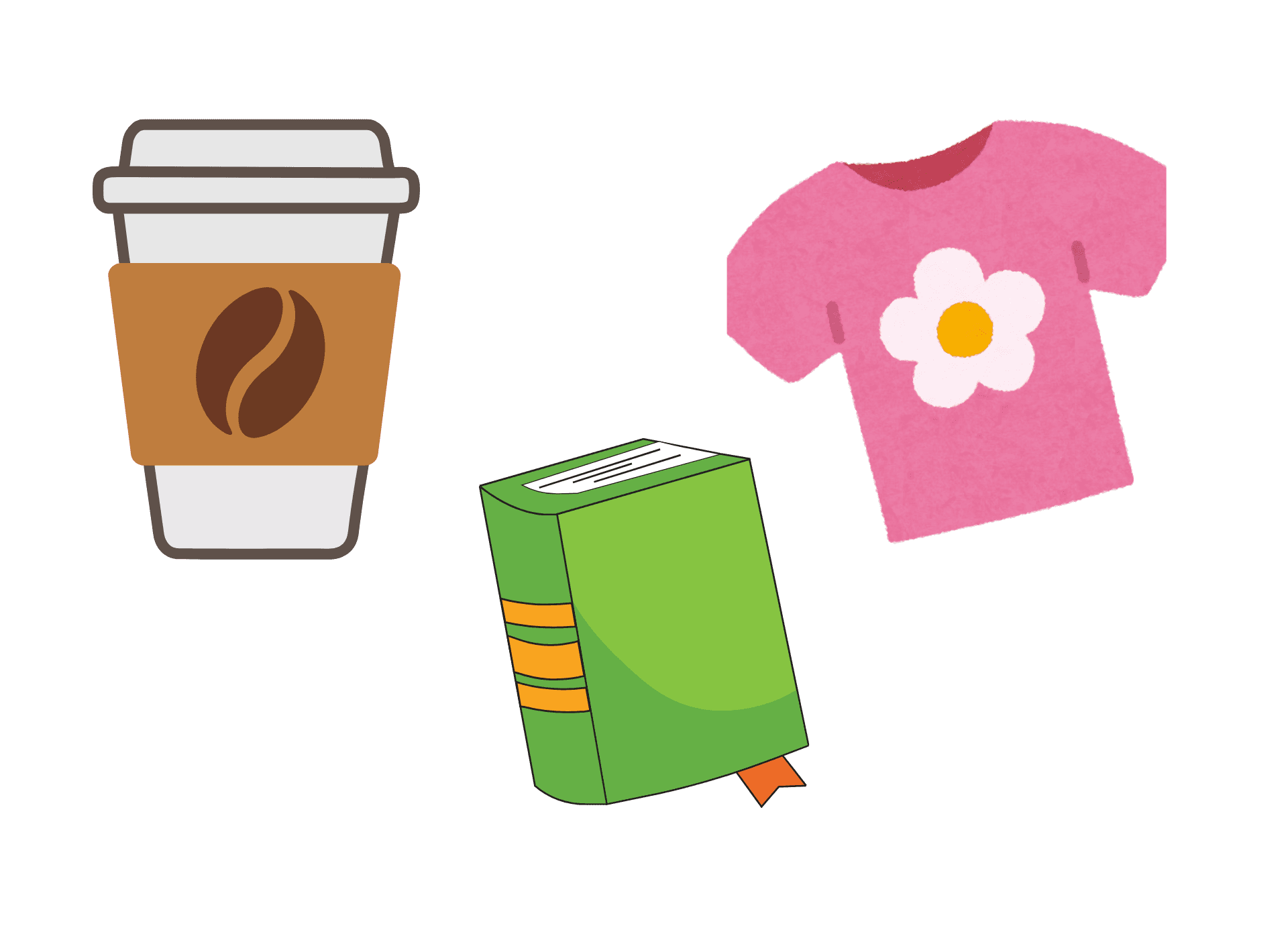
本を数える「一冊、二冊(いっさつ、にさつ)」?
シャツや紙などを数える「一枚、二枚(いちまい、にまい)」?
私は、ビールの「一杯、二杯(いっぱい、にはい)」かも^^;
趣味や生活によって、多少、使用頻度はちがうかもしれませんね。
どんなものが、「さつ」で、どんなものが「まい」で、どんなものが「ほん」なのか特徴をつかむことからスタートです。また、数え方は、漢字で覚えるとイメージができて覚えやすいかもしれませんね。
枚、杯、台、本、冊、足、個、匹、etc・・・
みなさんは、日本語のテキストを何冊持っていますか?
では、素敵な1日を!
あたらしいcounting
Hello. It was warm and a bit humid today.
After class, one learner was completely absorbed in the counters page.
Yes, that’s understandable. Why are there so many different ones?
In Japanese, the way you count things differs depending on the object—books, sheets of paper, and so on—so many learners end up scratching their heads.
Starting with hitotsu, futatsu, ikko, niko, hitori, futari…
Next, which counters do we commonly use in daily life?
Counting books: issatsu, nisatsu (one book, two books)?
Counting shirts or sheets of paper: ichimai, nimai (one sheet, two sheets)?
For me, it might be beer: ippai, nihai (one glass, two glasses) ^^
Depending on your hobbies and lifestyle, the frequency of use may differ a little.
A good place to start is by understanding the characteristics—what kinds of things are counted with -satsu, which with -mai, and which with -hon. Also, it might be easier to remember counters if you learn them with their kanji, since they help you form an image.
枚 (mai), 杯 (hai), 台 (dai), 本 (hon), 冊 (satsu), 足 (soku), 個 (ko), 匹 (hiki), etc.
How many Japanese textbooks do you have?
Well then, have a wonderful day!