

 Contact
 ことのは
ことのは どれを、どう使う?
こんにちは。ご訪問ありがとうございます。
日本語の学習を始めて、日常の行動について話す事ができるようになったら、いよいよ「テ形」や「タ形」などの活用形を使った表現の勉強ですね。
「テ形」の学習が始まると。「すみません。おしょうゆ取ってください」などの依頼表現を勉強すると思います。
依頼表現は、この「~てください」から学習しますが、私は、日常では、「~てください」は、そんなに使わないかなとも思います。
依頼なので、もっと丁寧な表現を使うことが多いです。
「くれませんか」「もらえませんか」「くださいませんか」「いただけませんか」などです。
「いただけませんか」になるにつれて、丁寧な表現になります。
「~ていただけませんか」「~てもらえませんか」を使う事が多いように思います。が、この表現を学習するのは、初級の終わり頃だと思います。
昨日のレッスンで、初級の学習者さんに、参考までにチラッと伝えたら、一つずつ、使うsituationを教えてくださいと言われました^^;。
では、素敵な1日を。
Which one, and how do I use it?
Hello. Thank you for visiting.
Once you start learning Japanese and become able to talk about everyday actions, it’s finally time to study expressions that use conjugated forms such as the te-form and the ta-form.
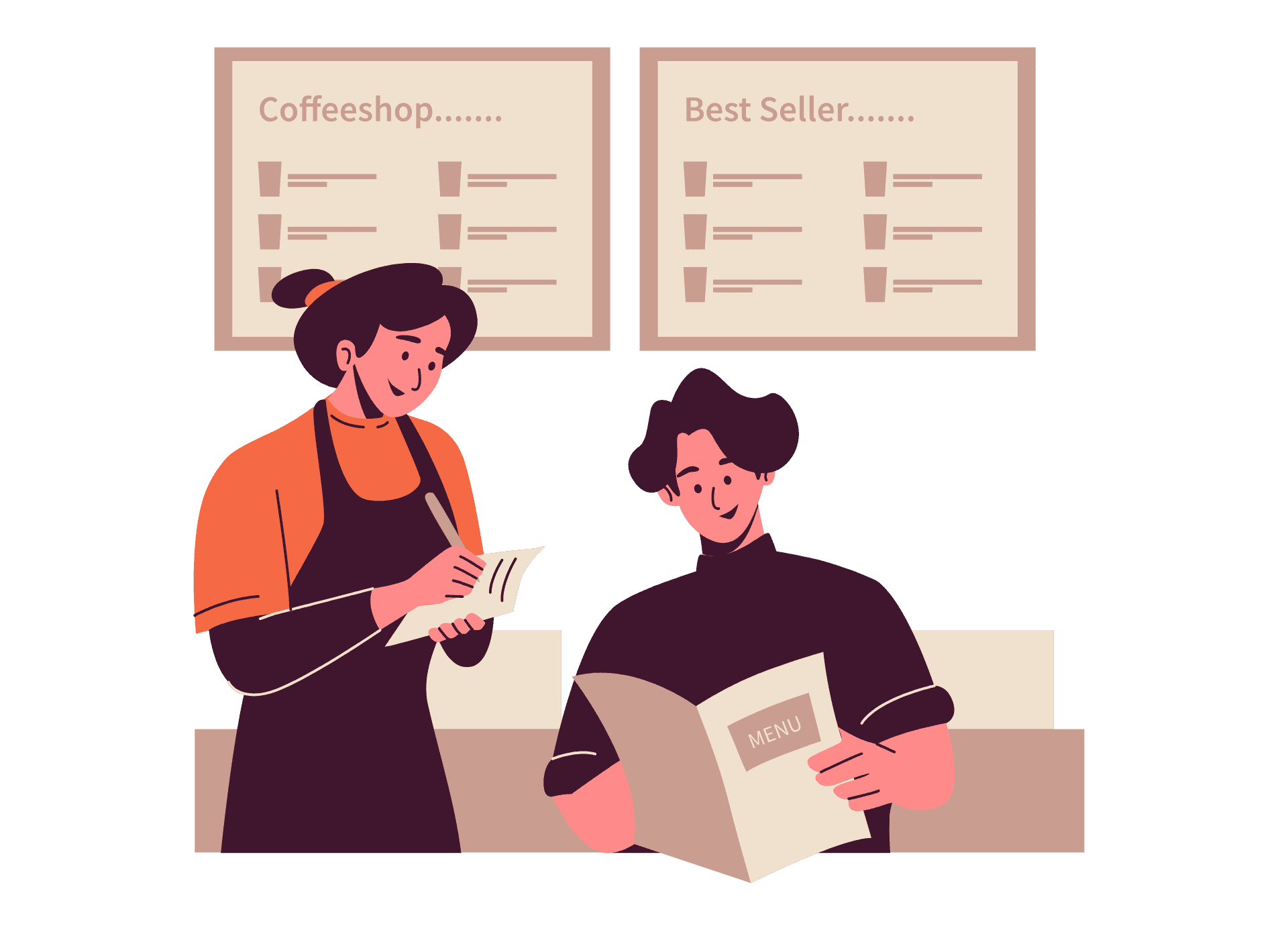
When you begin learning the te-form, I think you will study request expressions such as “Sumimasen, oshōyu totte kudasai” (“Excuse me, please pass me the soy sauce”).
We start learning requests from this “~te kudasai” pattern, but in daily life, I don’t actually use “~te kudasai” .
Since it is a request, we tend to use more polite expressions.
These include “kuremasen ka,” “moraemasen ka,” “kudasaimasen ka,” and “itadakemasen ka.”
As you move toward expressions like “itadakemasen ka,” the level of politeness increases.
I think we often use “~te itadakemasen ka” and “~te moraemasen ka.” However, I believe these expressions are usually learned toward the end of the beginner level.
In yesterday’s lesson, when I casually mentioned this to a beginner learner just as a reference, they asked me to explain each expression and the situation in which it should be used. ^^
Well then, have a wonderful day.