
 Contact
 ことのは
ことのは 日本の靴のルールはtricky?
こんにちは。ご訪問ありがとうございます。
昨日のレッスンでは、「許可を得る」ための表現を勉強しました。
「これ、借りてもいいですか?」「写真を撮ってもいいですか?」など、「〜てもいいですか?」の使い方を、さまざまな場面で練習しました。
レッスンの中で、日本では家に上がるとき必ず靴を脱ぎますが、学習者さんの国ではどうですか?という話題になりました。
すると学習者さんは、日本の靴のルールがとても tricky(わかりにくい) だったと話してくれました。
たとえば、お寺に行ったとき、居酒屋のようなお店に入ったとき、トイレを利用するときなど、「ここでは靴を脱ぐの?」「そのままでいいの?」「スリッパにはきかえるの?」などむずかしい場面が多かったそうです。
そういうときは、「靴のまま入っても大丈夫ですか?」「靴はどうしたらいいですか?」などの表現も一緒に確認しました。
そして、学習者さんは「ルールは難しいけれど、とても良い習慣だと思う」と話してくれました。
日本人にとっては「靴を脱ぐ」のは当たり前ですが、そうでない文化で育った人にとっては、戸惑うのは当たり前のことです。
靴のルールに限らず、初めての文化に触れるときには、誰でも戸惑いがありますよね。
でも、その戸惑いが「相手の文化を理解する第一歩」だと気づくこともできたレッスンでした。
では、また来週が楽しみです。
今日も素敵な1日を。
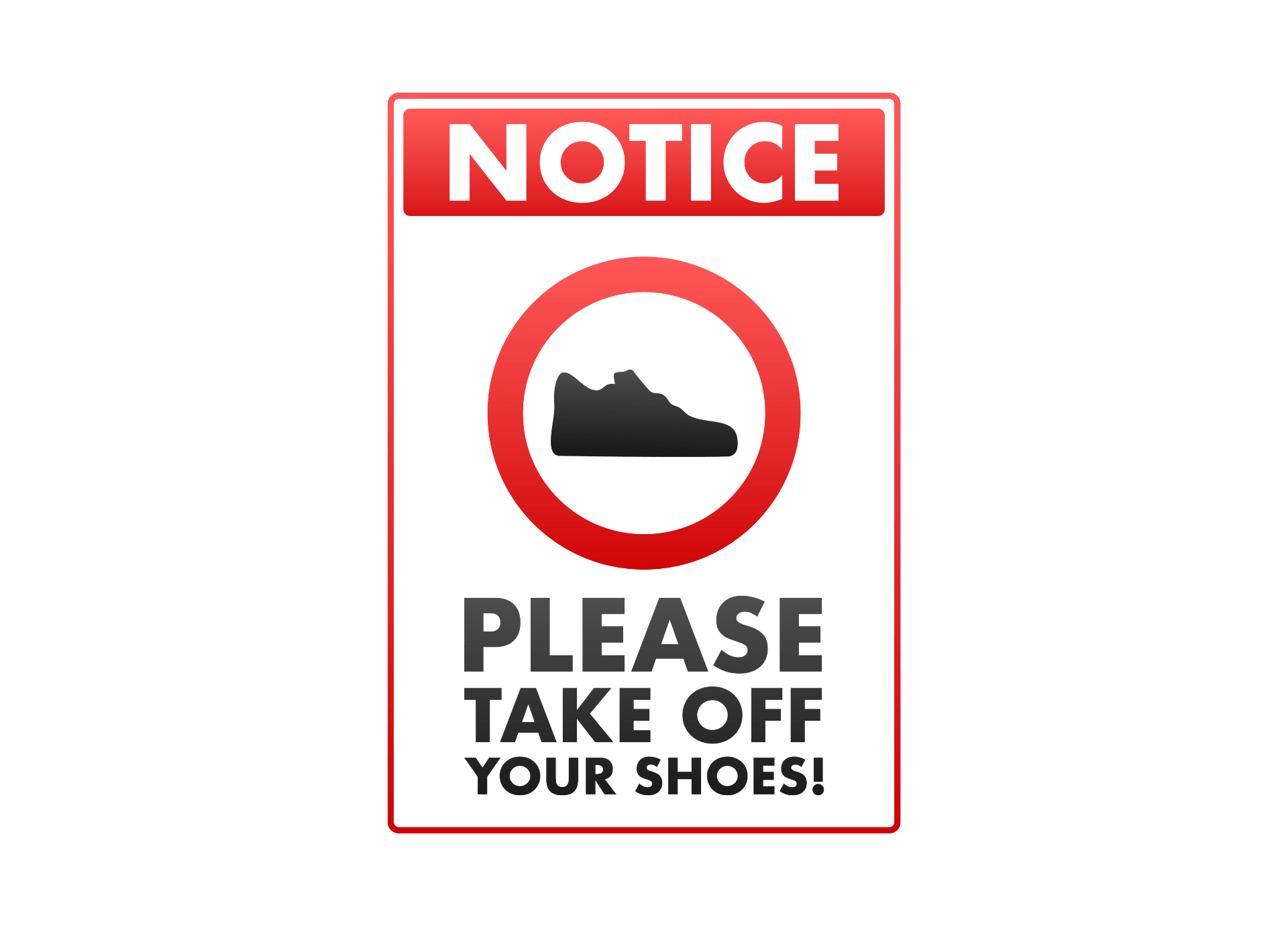
Japan’s shoe rules are tricky?
Hello, and thank you for visiting.
In yesterday’s lesson, we studied expressions used to ask for permission.
We practiced using “〜てもいいですか?” in various situations, such as
“Can I borrow this?” and “Is it okay to take a photo?”
During the lesson, we talked about how people in Japan always take off their shoes before entering a house.
I asked the learner what it is like in their country, and they told me that Japan’s shoe rules were quite tricky (hard to understand).
For example, when visiting a temple, entering an izakaya-style restaurant, or using a restroom, they often wondered:
“Do I take off my shoes here?”
“Is it okay to keep them on?”
“Do I switch to slippers?”
So we also checked useful expressions such as:
“Is it okay to enter with my shoes on?”
“What should I do with my shoes?”
The learner said, “The rules are difficult, but I think it’s a very good custom.”
For Japanese people, taking off shoes indoors is completely natural,
but for people who grew up in a different culture, it’s perfectly normal to feel confused.
Not only with shoe etiquette—anyone can feel confused when encountering a new culture.
But we realized in this lesson that such moments of confusion can be “the first step to understanding another culture.”
Well then, I’m already looking forward to next week.