

 Contact
 ことのは
ことのは 日本語の誘い表現に込められた気持ち
こんにちは。ご訪問ありがとうございます。
レッスンをしていると、「Negative Foamなの?」とよく同じ質問をされる表現があります。
みなさんは、友だちにお昼ごはんを誘ったり、買い物を誘ったりすることはありますか?
日本語で、ごはんに誘うときは「一緒に、おひるごはん食べませんか?」という「ませんか」という表現を使います。このとき、多くの学習者さんは、「否定形ですよね?」とびっくりしますが、この「ません+か」の形で、いっしょにするアクションを提案したり、さそったりします。
実は、この否定のところに、相手の考えをきいたり、あいてのきもちを尊重する意味があります。ていねいな表現です。
日本人は、言いたいことを遠回しに言ったり聞いたり、断るときはストレートに言わなかったりします。
つまり、日本語は日本文化なのかなと思います。
では、明日は金曜日!週末が楽しみです。
充実した一日を!
The sentiment behind Japanese invitational expressions
Hello, and thank you for visiting.
When I’m teaching lessons, I often get the same question about a certain expression — “Even though it’s negative form (‘Negative Form’)?”
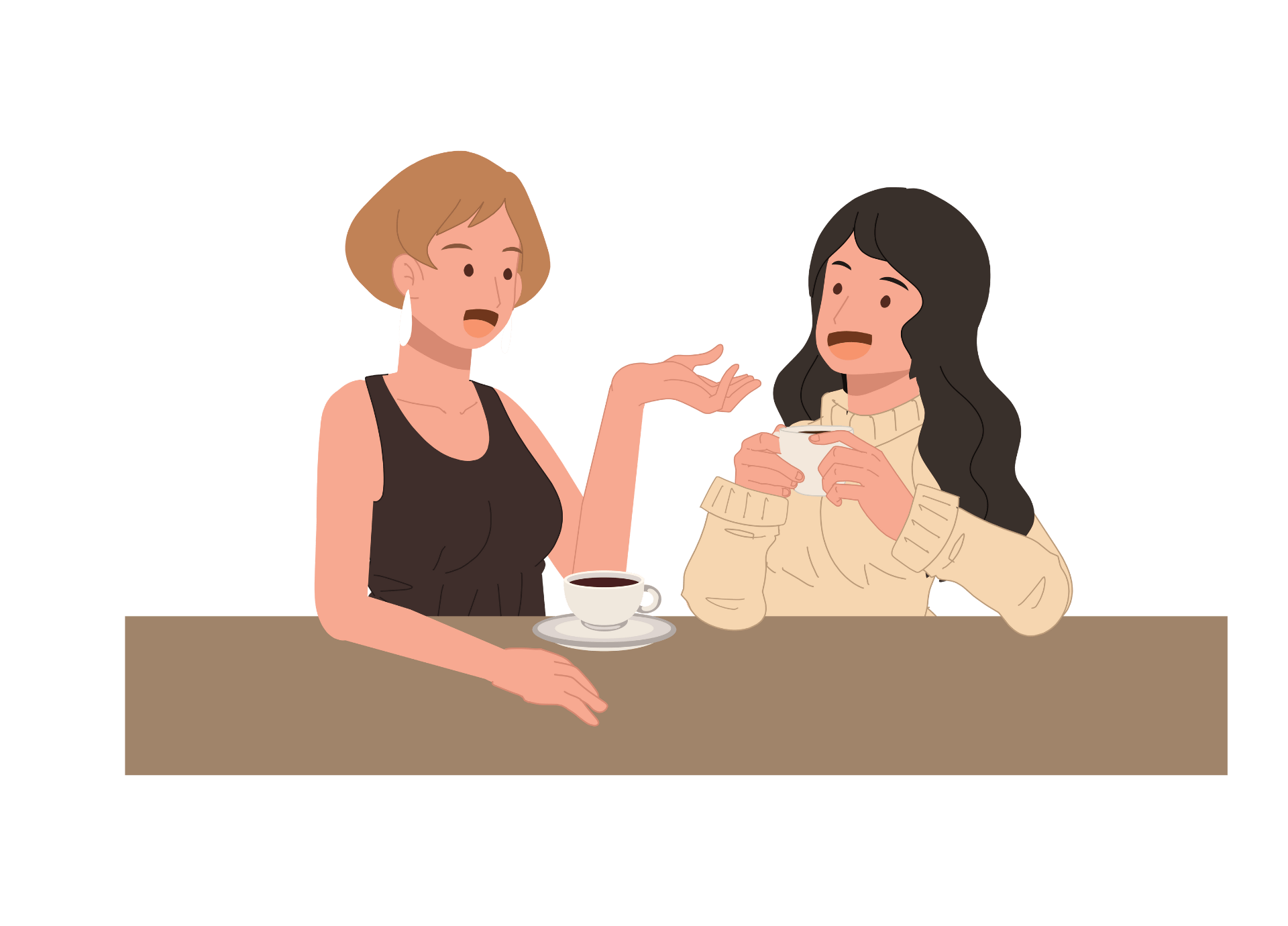
Do you ever invite your friends to have lunch or go shopping together?
In Japanese, when inviting someone to lunch, we often say something like,
“issho ni ohiru gohan tabemasen ka?”
which literally means, “Won’t you have lunch with me today?” using the phrase “masen ka.”
Many learners are surprised and ask, “But that’s the negative form, right?”
However, this “masen + ka” structure is actually used to make polite suggestions or invitations to do something together.
In fact, this “negative” part conveys consideration for the other person’s feelings and a sense of respect for their intentions — it’s a polite way of speaking.
Japanese people often express things indirectly, and when they decline something, they may not say it straightforwardly.It might feel difficult, but it could also be a key point and an interesting aspect.
In other words, I think the Japanese language truly reflects Japanese culture.
Well, tomorrow is Friday — I’m looking forward to the weekend!
Have a wonderful and fulfilling day!