

 Contact
 ことのは
ことのは 位置詞の学習中に気づいた日本語のリアル
こんにちは。ご訪問ありがとうございます。
昨日は、位置詞を使って日本語の学習をしました。
「中」「外」「前」「右」・・・・などです。その時、学習者さんが、英語で、「車を運転していて、右に曲る、左に曲る、まっすぐ行くは何と言いますか?」と質問しました。
私はボードに書きながら、日本語を説明しました。すると、学習者さんが、今度は英語で「後ろに行くはなんと言いますか?」と質問しました。
正直、このとき、私の声は「あ~っ」と叫びました。
日常で、車に乗っていて、私たちは「右に曲って」「次は左」「このまま、まっすぐいきましょう」などと話すと思います。
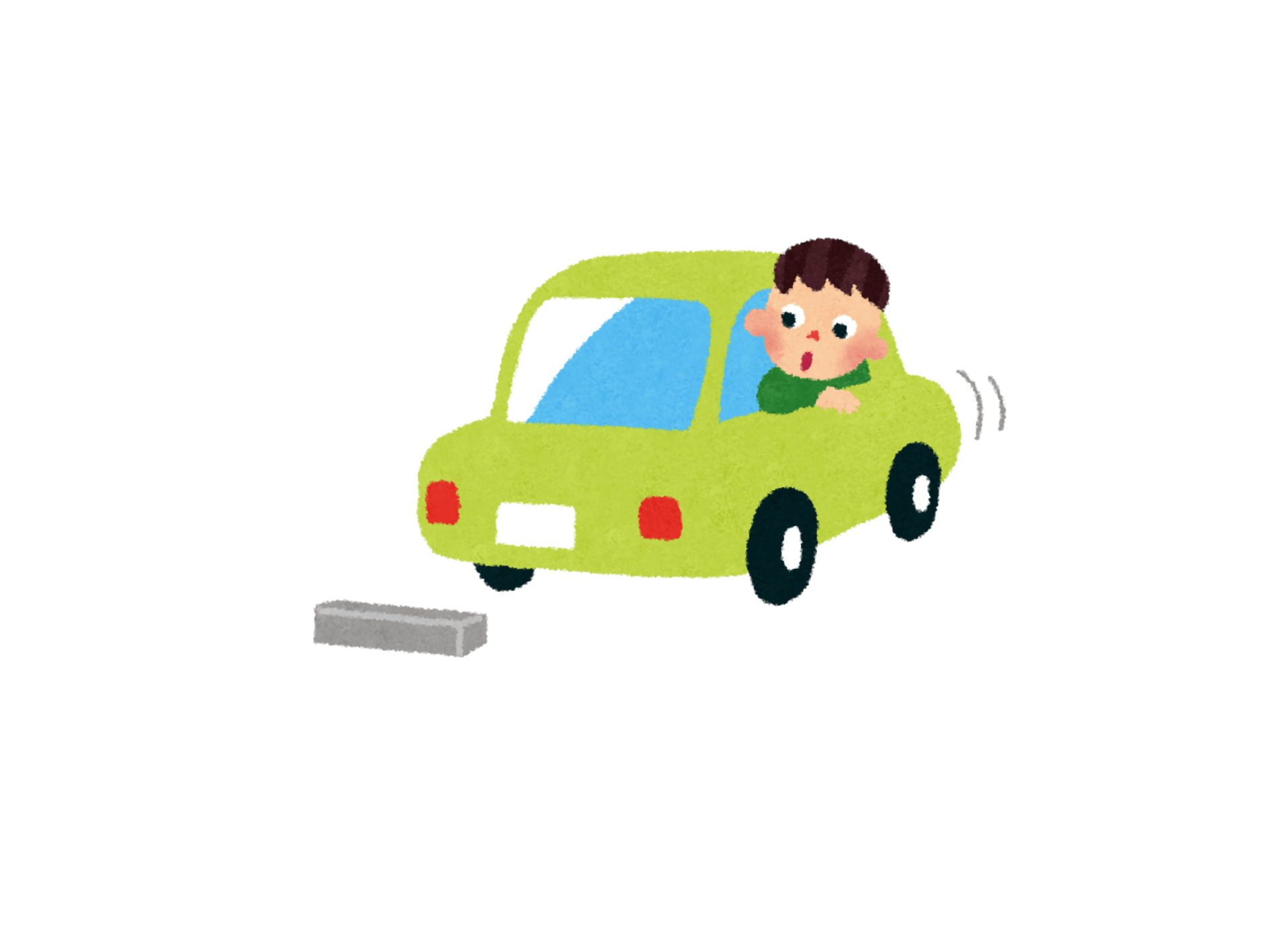
でも、駐車のときなどは、「もう少し、バックして~」と、「後ろ」という言葉より「バック」を使うことがほとんどのような気がします。
「右」「左」「まっすぐ」は日本語で、「うしろ」は「バック」を使う事がおおいです。
だから、すぐに日本語がでてきませんでした。
もちろん、「うしろ」を使う場面もありますが、これは、ルールと言うより、本人の感覚的なところが大きいと思います。
私たちは、日常で、日本語だけで会話をしているわけではなく、日本語の発音で英語を使ったり、和製英語を使ったりしているんですね。
ピンポイントで、そこだけは英語を使うという、ちょっと不思議な感じで、奇妙な使い方です。
英語だと思っていたら、和製英語ということもあります。
あらためて、日常の言葉の使い方について振り返った時間でした。
週末ですね。みなさん、楽しい週末を!
Real Japanese I noticed while learning positional words
Hello, and thank you for visiting.
Yesterday, we studied Japanese using location words such as “naka” (inside), “soto” (outside), “mae” (in front), and “migi” (right).
During the lesson, one of the learners asked in English,
“When driving a car, how do you say ‘turn right,’ ‘turn left,’ and ‘go straight’ in Japanese?”
As I wrote on the board, I explained how to say them in Japanese. Then, the learner asked again in English,
“How do you say ‘go backward’ in Japanese?”
Honestly, at that moment, I couldn’t help but let out an “Ahhh!”
In everyday life, when we’re in a car, we usually say things like,
“Turn right,” “Next, turn left,” or “Let’s go straight.”
However, when parking, for example, we often say, “Move back a little more,” using the word “bakku” (from English “back”) instead of the Japanese word “ushiro” (behind/back).
So while “migi” (right), “hidari” (left), and “massugu” (straight) are expressed in Japanese, we tend to use “bakku” rather than “ushiro” for “backward.”
That’s why I couldn’t come up with the Japanese right away.
Of course, there are times when “ushiro” is used, but that seems to depend more on individual feeling or sense, rather than a strict rule.
In our daily lives, we don’t converse using only pure Japanese.
We often mix in English words pronounced in Japanese, or wasei-eigo (Japanese-made English words).
It’s quite curious — we selectively use English just for certain words, which gives our speech a somewhat strange and unique flavor.
And sometimes, what we think is English turns out to be wasei-eigo!
It was a nice opportunity to reflect once again on how we use language in our daily lives.
It’s the weekend—hope everyone has a wonderful one! 🌸