

 Contact
 ことのは
ことのは 「た形」からのステップアップ
こんにちは。ご訪問ありがとうございます。
月曜日は、た形の練習と、そのあと「~たり、~たり」を使って日常会話の練習をしました。
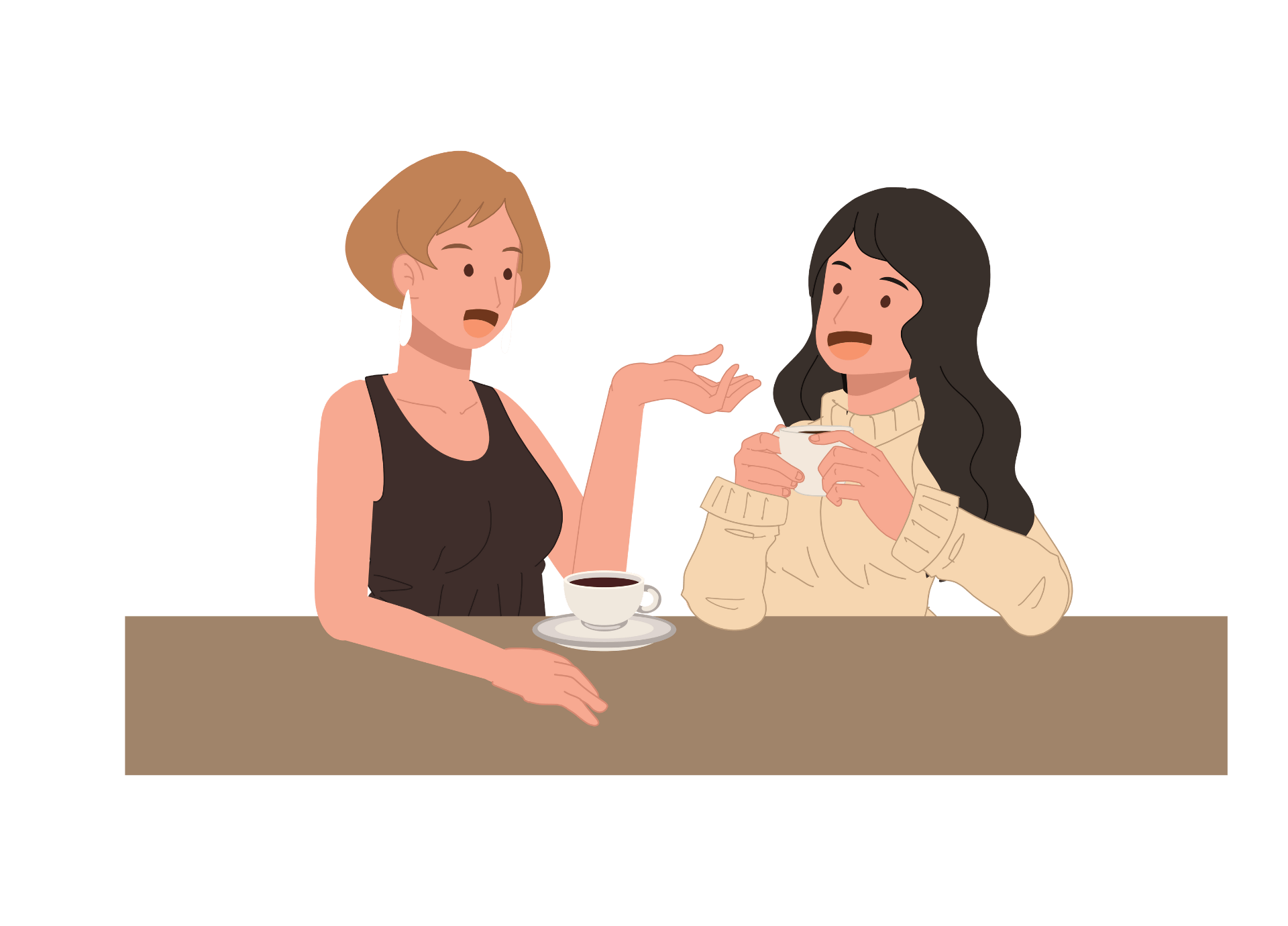
テ形が済んでいるので、スムーズにた形に進みました。学習者さんは「混乱します」と言っていました。でも、ご自身でくり返して練習をされていたので、この文型を使って、リアルな日常会話を持ちました。
「~たり、~たり」の文型は、テキストで進むと、N5の終わり頃にでてくるでしょうか?Genkiだと最後の方の11課くらいだったと思います。
でも、日常でよく使う表現です。プライベートレッスンの強みとして、流れから先にレッスンをしました。
一つの簡単な文でのやりとりから、「テ形」や「た形」を使うと、少しながい文章で話せるようになり、学習者さんのトークも弾みます。
楽しさだけでなく、できることが増えていることも実感していただいていると思います。
また、この表現も、「映画を見た」「買い物した」という事実に、日本人の気持ちをプラスした日本の表現だと思います。
テキストに沿ってやることも大切かもしれませんが、文法を教えるだけのレッスンだけはしたくないと思います。
では、今日も素敵な一日を!
Progressing from the ‘ta-form’
Hello, and thank you for visiting.
On Monday, we practiced the ta-form, and afterward, we used “~tari, ~tari” to practice daily conversation.
Since we had already covered the te-form, it was smooth to move on to the ta-form. The learner said, “It’s confusing,” but they kept practicing on their own, and we were able to have a real-life conversation using this grammar pattern.
As for the “~tari, ~tari” structure, I think it usually appears toward the end of the N5 level in textbooks—perhaps around Lesson 11 in Genki.
However, it’s a very common expression in everyday life. One of the advantages of private lessons is that we can follow the natural flow of conversation and introduce topics earlier when it feels right.
By moving from short, simple sentences to ones using the te-form and ta-form, learners become able to speak in longer, more natural sentences. Their conversations start to flow more smoothly, too.
I believe the learner not only feels the fun of learning but also realizes that they’re truly expanding what they can do in Japanese.
I also think this expression is a uniquely Japanese way of adding feelings to simple facts like “I watched a movie” or “I went shopping.
Following the textbook is important, of course—but I never want my lessons to be only about teaching grammar.
Wishing you a wonderful day! 🌸