

 Contact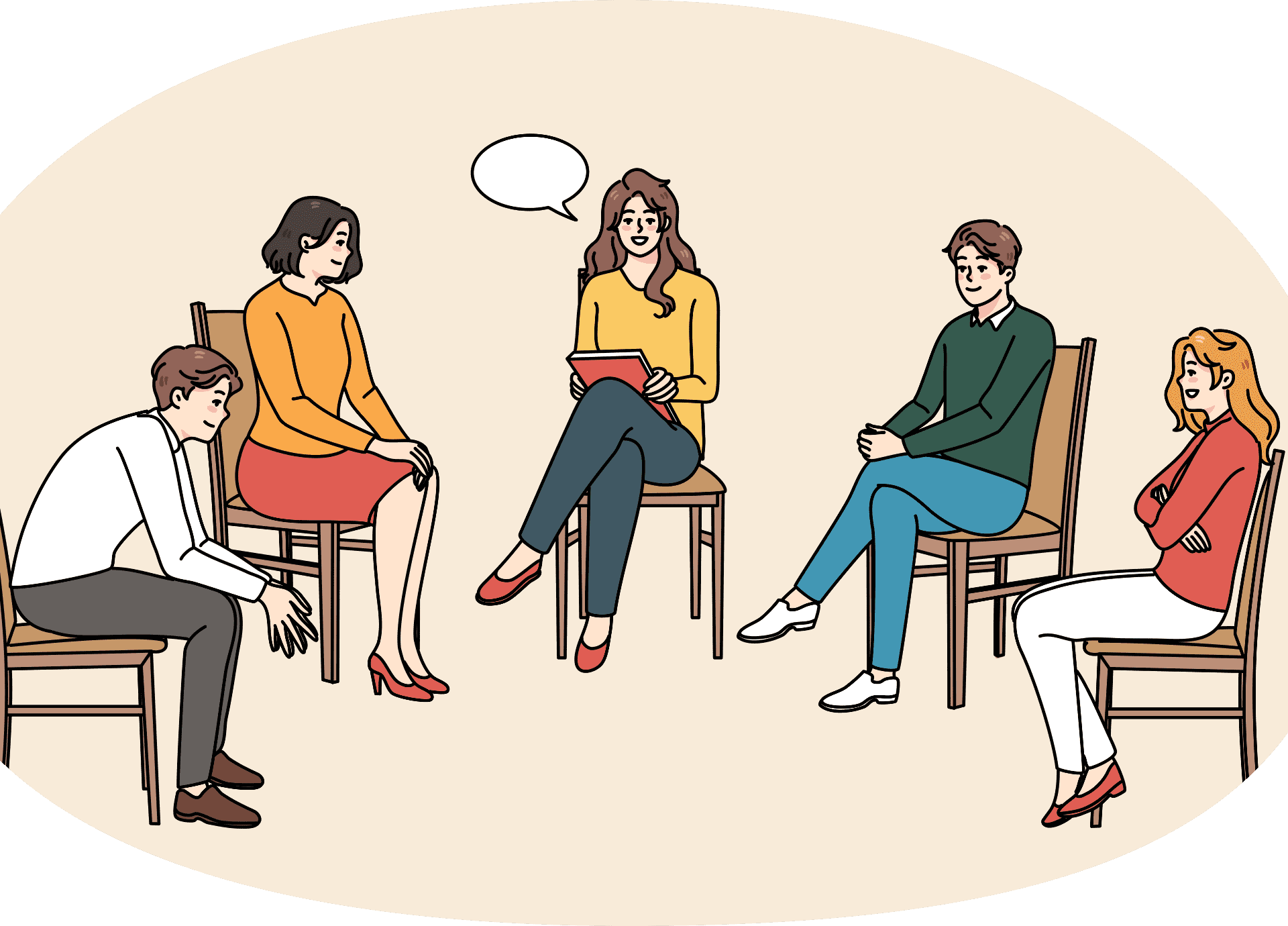
 ことのは
ことのは 会話練習が日本語力を伸ばす理由とは
こんにちは。ご訪問ありがとうございます。
このサイトのキャッチコピーは「話せる力をプラス」です。また、コースも「会話力向上コース」というものがあります。
だから、会話だけ?と思う人もいると思いますが、もちろん、実際には、文法の勉強や学習もしています。会話するためには、ボキャブラリーや文法も必要です。
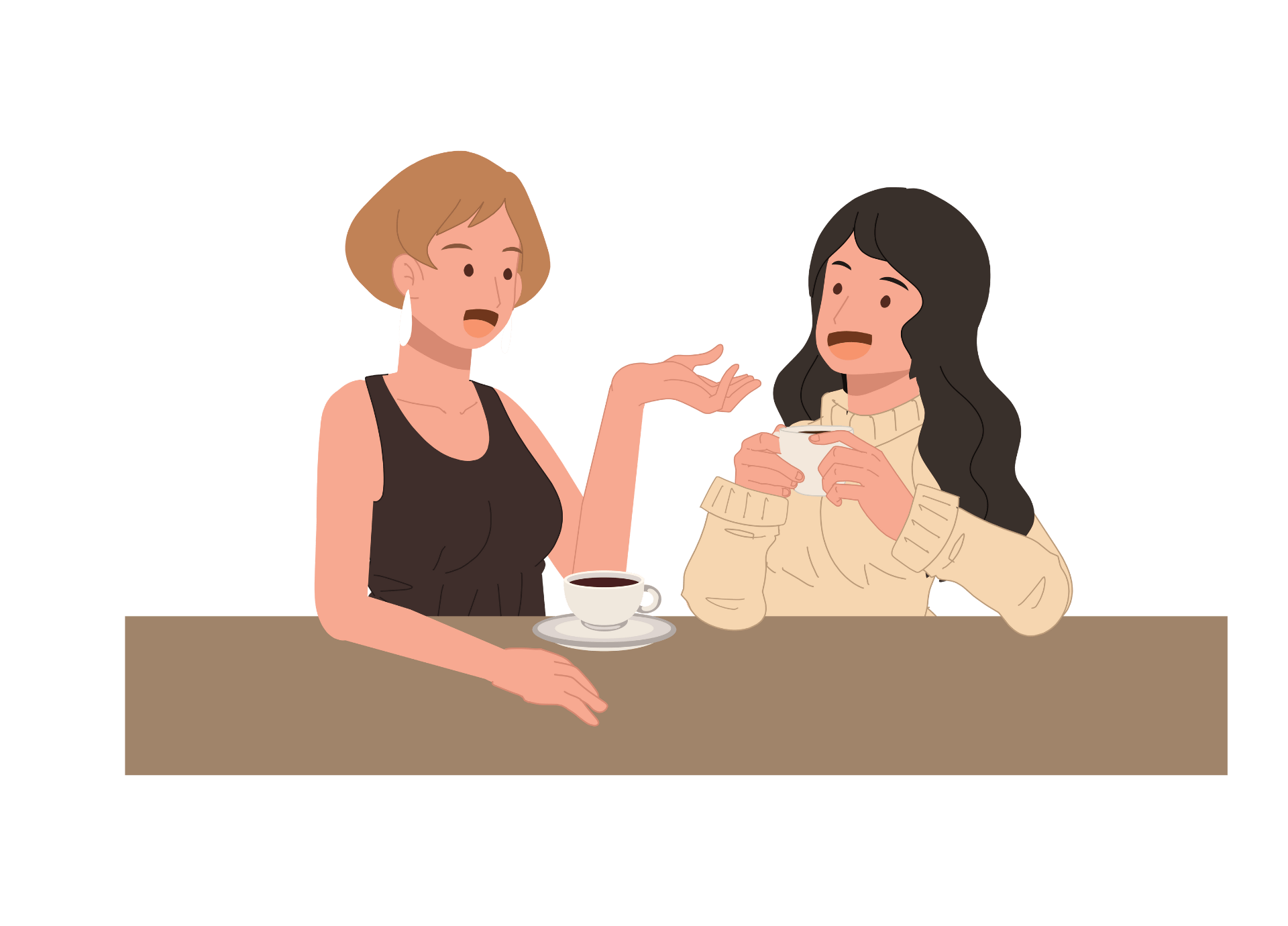
でも、アウトプットにフォーカスして、まず、日常の場面を想定し会話練習をします。会話の中に、すべての表現があるので、どんな場面で、どんな気持ちで、どんな表現で、どう会話するのか。会話をしながら日本語を学習します。場面設定をし、リアルな練習をしています。
これ大切なんです。
よく書いていますが、日本語は、気持ちをプラスした表現や、日本独特の日本文化からできている表現があります。ですから、こういった表現は、体験することが大切です。テキストの説明を読むだけではむずかしいと思います。
また、JLPTの試験でも、シーンがイメージできることや、日本文化・日本人の気持ちを理解して、考え答えることも必要になってきます。
今まで日本語を学習してきた人は、会話練習をすることで、いろんなことがリンクしていくと思います。
明日は、また、日本語の独特の表現(テ形使用)を使って学ぶレッスンです。
みなさん、日本が大好きなので、日本人の気持ちや文化と一緒につたえると、理解も早く、すぐに、ネイティブ以上に使えるようになっています。
また、その表現についてアップしたいと思います。
では、今日も良い一日を!
Why conversation practice improves your Japanese skill
Hello, and thank you for visiting my site.
The catchphrase of this site is “Adding the Power to Speak.”
We also offer a course called the “Conversation Skills Improvement Course.”
So, some people might wonder — “Is it just conversation practice?”
Of course not! In reality, we also study grammar and vocabulary. After all, to have a conversation, you need both vocabulary and grammar.
However, our lessons focus on output — we first imagine real-life situations and practice conversations.
Since every expression exists within conversation, we learn how to speak naturally by understanding in what situations, with what feelings, using what expressions, and how to respond.
We create realistic settings and practice as if in real-life situations.
This is very important.
As I often mention, the Japanese language contains many expressions that include emotional nuances and ones that are deeply rooted in Japanese culture.
That’s why experiencing these expressions is essential — simply reading textbook explanations is not enough.
For the JLPT too, it’s important to be able to picture the situation, understand Japanese culture and how Japanese people feel, and respond appropriately.
For those who have already been studying Japanese, conversation practice helps connect everything they’ve learned.
Tomorrow’s lesson will focus on unique Japanese expressions that use the “te-form.”
Everyone who studies here loves Japan, so when they learn expressions together with the feelings and culture behind them, their understanding grows quickly — and they soon begin to use Japanese more naturally than even some native speakers.
I’ll be posting more about those expressions soon.
Have a wonderful day! 🌸